Express Dental Implants: Fast and Effective Solutions for Missing Teeth
Same-day dental implants provide a contemporary approach for people facing tooth loss. This treatment streamlines the process by combining extraction, implant placement, and temporary crown attachment in a single visit. Cutting-edge imaging systems improves precision and outcomes. However, not everyone may be a suitable candidate for this approach. Understanding the details behind same-day implants can offer clarity on whether this option is right for you. What factors should you consider before making a decision?

Learning About Same-Day Dental Implants and How They Function?
Same-day dental implants provide a revolutionary approach for people seeking immediate dental restoration. Unlike conventional implants that demand several visits over many months, same-day implants simplify the process, enabling patients to obtain a permanent prosthetic in a single appointment. This innovative procedure typically involves the extraction of a damaged tooth, the placement of a titanium post into the jawbone, and the instant affixation of a temporary crown.
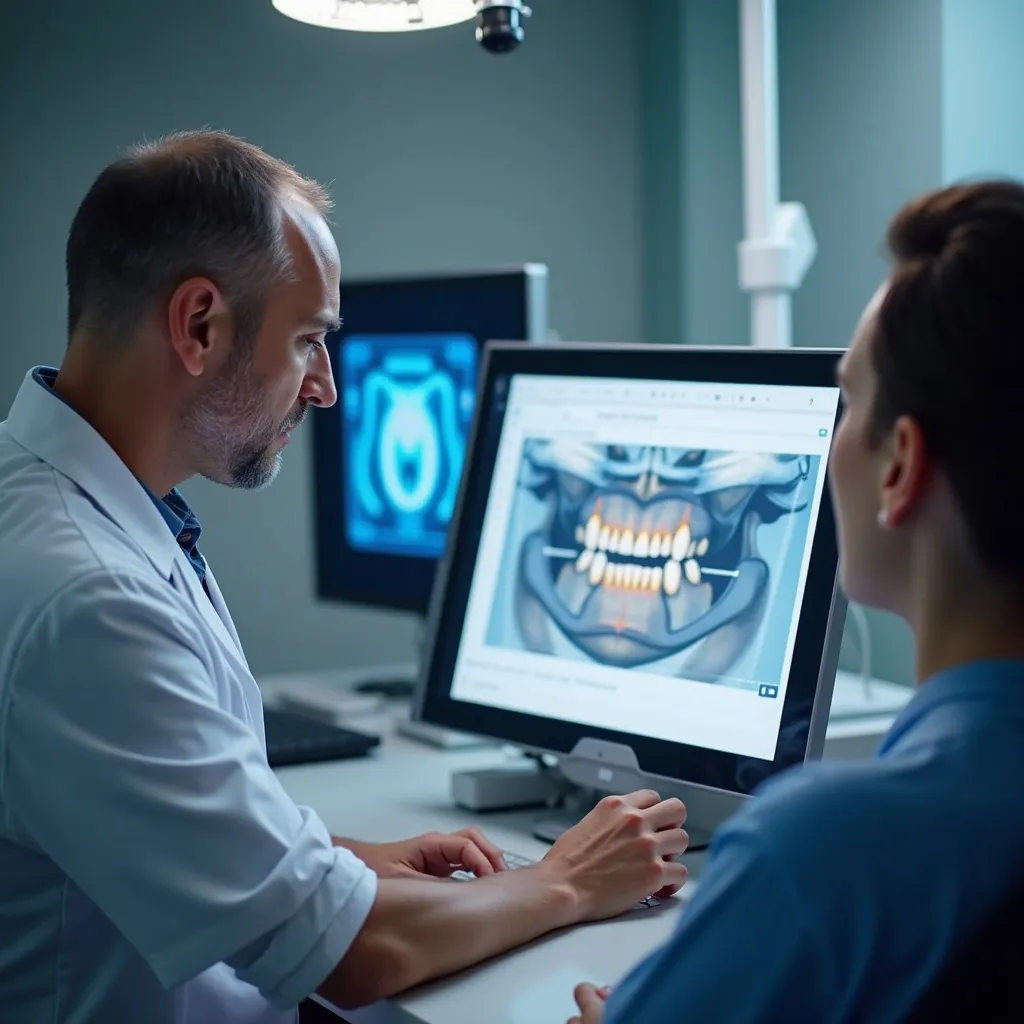
The method relies on cutting-edge imaging systems and precise planning to ensure ideal placement and stability. After the implant is secured, the temporary crown provides aesthetic appeal while the implant foundation integrates with the bone. This integration, known as osseointegration, is essential for long-term success. Patients gain from shorter timeframes and immediate functionality, making same-day dental implants an appealing option for those in need of quick dental restoration options.
Is Same-Day Implant Treatment Appropriate for You?
Assessing candidacy for same-day dental implants involves several key assessments. A thorough dental health evaluation is essential, alongside an examination of bone density to guarantee adequate support. Additionally, overall health considerations are essential in the decision-making process.
Oral Health Assessment Mandatory
Before assessing same-day dental implants, a thorough dental health assessment is essential to verify a patient is a suitable candidate. This evaluation typically includes a thorough inspection of the patient's oral health, such as the condition of the gums and existing teeth. A dentist will examine the patient's medical history to identify any potential issues that may impact the implant procedure, including periodontal disease or other dental concerns. Additionally, the assessment will help determine the patient's capacity to heal properly after the procedure, which is critical for the success of same-day implants. By recognizing each patient's unique dental situation, dental professionals can guarantee that the right treatment plan is implemented, maximizing the chances of a successful outcome.
Bone Density Appraisal Needed
Determining skeletal thickness is an important phase in determining if a individual is an appropriate prospect for immediate tooth implants. Adequate skeletal support is vital, as it delivers the required support for the prosthetic devices. Dentists frequently employ diagnostic methods, such as X-rays or 3D scans, to assess the quality and quantity of the jawbone. If bone density is insufficient, patients may require bone grafting procedures before prosthetic installation. This evaluation not only helps in identifying potential complications but also ensures the durability and firmness of the implants. Finally, a thorough bone density assessment assists dental professionals in making informed decisions, customizing therapeutic approaches, and improving overall patient outcomes in the domain of same-day dental implant procedures.
Overall Health Considerations Important
Overall well-being plays a vital role in evaluating candidacy for same-day dental implants. Factors such as chronic illnesses, autoimmune disorders, and uncontrolled diabetes can affect the healing process and overall success of the implants. Additionally, people with heart conditions or smokers may face increased risks during and after the procedure. A thorough medical history review is critical, as it enables dental professionals to identify potential complications. Patients should also consider their oral hygiene habits, as proper dental care is essential for implant longevity. Ultimately, a detailed assessment confirms that candidates are not only physically prepared but also informed about the implications of the procedure, leading to optimal outcomes for those seeking this modern dental solution.
Advantages of Choosing Same-Day Dental Implants
Opting for same-day dental implants provides major benefits, particularly with regard to swift cosmetic improvement. Patients can leave the clinic with a renewed expression, strengthening their self-confidence immediately. Furthermore, the reduced treatment in-depth article time makes possible a more streamlined dental experience, curtailing interference to daily life.
Prompt Visual Transformation
Transforming smiles immediately, same-day dental implants offer immediate aesthetic improvements that enhance a patient's look and boost self-assurance. By delivering a natural-looking solution for missing teeth, these implants return not only function but also the aesthetic value of a full smile. Patients often experience a significant enhancement in facial balance and shape, which can lead to restored self-esteem. The procedure allows people to leave the dental office with a finished smile, eliminating the extended waiting period
Decreased Treatment Duration
While conventional dental implant procedures can last for months due to various sessions and healing periods, same-day dental implants greatly shorten treatment time, allowing patients to achieve their desired results in just one visit. This streamlined process does away with temporary measures, as patients leave the dental office with teeth that work fully. The efficiency of same-day implants not only reduces the overall treatment duration but also enhances patient satisfaction by reducing anxiety associated with lengthy dental procedures. Additionally, the rapid process helps people get back to daily routines more quickly, leading to improved quality of life. Ultimately, same-day dental implants constitute a major progress in restorative dentistry, providing a rapid and efficient remedy for those facing tooth loss.
Understanding What Happens During Your Implant Procedure
During the implant procedure, patients can expect a carefully orchestrated procedure aimed at restoring their smiles successfully. Initially, the dentist will perform a thorough examination, with imaging, to establish the optimal placement of the implant. Following this assessment, local anesthesia is administered to ensure ease throughout the procedure.
The dental expert then proceeds with the insertion of the implant into the jaw structure, a undertaking that typically takes about an hour. Once the implant is solidly positioned, a provisional crown may be placed, enabling the patient to leave the office with a working tooth.
Throughout the operation, the dental team remains vigilant, checking the patient's relief and addressing any concerns. Post-procedure instructions will be provided, assisting the patient on attention and recovery. Overall, patients can expect a streamlined experience fashioned to deliver immediate results and enhance their dental health.
Widespread Myths and Issues Regarding Immediate Dental Prosthetics
Same-day tooth implants are often associated with false beliefs and worries that may deter potential patients from choosing this successful treatment. One common misunderstanding is that these implants are not as strong than traditional ones. In reality, modern techniques and materials ensure similar strength and longevity. Another concern involves the level of discomfort; many think that the procedure is too painful. However, advancements in anesthesia and sedation make the process less painful than anticipated.
Many individuals stress about the visual appearance, fearful that immediate implants will appear artificial. This concern is usually unfounded, as skilled professionals can create seamless bonding with neighboring teeth. Furthermore, the misconception that immediate implants are merely suitable for specific scenarios overlooks their flexibility; countless patients are qualified. Addressing these myths can help prospective patients make educated choices about their dental health.
Healing Tips for Same-Day Dental Implants
After receiving same-day dental implants, proper aftercare is necessary for optimal healing and long-term success. Patients are advised to adhere to particular instructions to ensure the optimal recuperation. At first, it is crucial to control any pain with prescribed pain medications and to use ice packs to minimize swelling. Gentle cuisine should be prioritized during the initial healing phase to avoid placing stress on the implants.
Maintaining oral hygiene is fundamental; patients should delicately brush and rinse out their mouths as instructed by their dentist. Avoiding cigarettes and alcohol is also noteworthy, as these substances can impede healing. Regular follow-up appointments will allow for assessing the implant's incorporation with the jawbone.
Finally, adhering to nutritional guidelines and steering clear of strenuous activities for a short period will support a smoother recovery. By adhering to these post-treatment guidelines, patients can enhance the longevity and effectiveness of their same-day dental implants.
Weighing Same-Day Implants Against Time-Tested Possibilities
While many patients search for fast options for tooth replacement, understanding the differences between same-day implants and conventional methods is essential for making well-informed choices. Same-day implants provide immediate placement of artificial teeth following extraction, enabling patients to depart from the dentist's office with a functional smile in a single visit. This rapid process reduces the waiting period and decreases the overall number of dental appointments required.
In contrast, conventional dental implants demand multiple visits over many months. Once the first implant procedure is complete, recovery time is necessary before the final prosthetic can be affixed. Although traditional options may provide a more durable outcome, the extended timeline can pose a challenge for those desiring immediate tooth replacement.
In the end, your decision regarding same-day implants versus traditional options relies on your personal choices, specific dental conditions, and what dental professionals recommend. Learning about these distinctions can assist individuals in making the optimal choice for their oral health.
Frequently Asked Questions
What is the longevity of Same-Day Dental Implants?
Same-day dental implants can last between 10 to 15 years, affected by personal dental practices, lifestyle factors, and the standard of the implant. Regular dental check-ups and preventive care can optimize their longevity and results.
Are same-day implants more expensive than conventional implants?
Same-day implants generally are more expensive compared to traditional implants because of the advanced technology and same-day placement involved. Patients must think about the benefits and convenience relative to the premium price when making their decision.
Can I Eat Normally Direct After the Procedure?
Patients are ordinarily recommended to avoid hard or chewy foods directly after the procedure. Soft foods are suggested for the initial days to guarantee proper healing and comfort while the implants attach to the jawbone.
What Methods of Anesthesia Are Implemented During the Process?
During the treatment, dentists commonly employ topical numbing to numb the area. In certain instances, sedative alternatives like nitrous oxide or intravenous sedation may also be offered to help patients remain comfortable and relaxed for the duration.
How regularly should I check in with My Dentist Following a Procedure?
After following the treatment, individuals should schedule follow-up appointments with their dental professional usually within a week, then every few months for the first year. Regular check-ups ensure proper healing and implant integration into the jawbone.